Meet Our Team
The Director
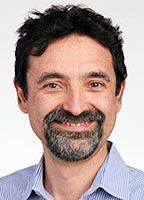
Paolo Cravedi, MD, PhD
Paolo Cravedi, MD, PhD is a physician-scientist with a strong interest in kidney transplantation. Dr. Cravedi began his clinical research career at the Mario Negri Institute, Bergamo, Italy, where he contributed to the identification of a biopsy-based allocation system of older kidneys that is widely used in Europe and South America. In 2011, Dr. Cravedi joined Icahn School of Medicine at Mount Sinai, where he started working on the immune monitoring of kidney transplant recipients and on the effects of complement in adaptive immune response. More recently, he has been involved in mechanistic and clinical studies on the immune modulating effects of erythropoietin.
The Team
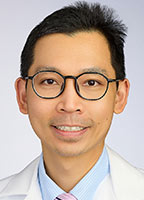
Mon-Wei Yu, MD
Mon-Wei (Sam) Yu, MD, is an Assistant Professor of Medicine at Icahn School of Medicine at Mount Sinai. He received his M.D. from National Yang-Ming University in Taiwan in 2012. He completed his medicine residency at Jacobi Medical Center, followed by nephrology fellowship at Brigham and Women’s Hospital/Massachusetts General Hospital. Prior to his clinical training, he received post-doctoral training at Duke University, studying G-protein coupled receptor and its ubiquitination. Dr. Yu came to Mount Sinai Hospital in 2022 to pursue further training in glomerulonephritis and was subsequently awarded with a career development grant K08 funded by NIH/NIDDK studying the role of complement proteins in kidney disease development. Dr. Yu laboratory focuses on i) the role of complements and their regulatory proteins in the development of acute and chronic kidney disease; ii) mechanisms of immune checkpoint inhibitor-induced acute kidney injury (ICI-AKI); iii) applications of 3D kidney organoids in disease modeling. Apart from his research, Dr. Yu is also the principal investigator for multiple clinical trials, including C3GN, FSGS, and lupus nephritis.
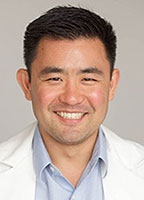
Nicholas Chun, MD
Nicholas Chun, MD, is a physician-scientist interested in the immunologic mechanisms that underpin various human diseases, including transplant organ rejection. Dr. Chun’s current research interests include a) understanding how cold storage of donor organs prior to transplant alters their interaction with the immune system and b) studying how subcellular particles, such as exosomes, mediate priming or control of the immune system. Dr. Chun completed his medical school training at the University of Massachusetts and his residency and nephrology fellowship training at the Icahn School of Medicine at Mount Sinai. In his clinical capacity, Dr. Chun has a weekly clinic at the Mount Sinai Queens in Astoria and precepts on the inpatient wards at The Mount Sinai Hospital.
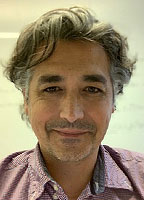
Jordi Ochando, PhD
Jordi Ochando, PhD, obtained his doctorate from the De Montfort University in Leicester and completed his postdoctoral training at the Icahn School of Medicine at Mount Sinai, where he currently holds an Assistant Professor position. His laboratory investigates the origin, phenotype, and function of myeloid cells that regulate immune response in murine models of human disease, and recently discovered that trained immunity represents a previously unrecognized pathway that prevents the induction of transplantation tolerance. To prevent the detrimental effects of trained macrophages, the Ochando Laboratory uses a novel revolutionary targeted therapeutic delivery approach in which drug-loaded nanobiologics that specifically target macrophages in vivo and induce long-term allograft acceptance. This research represents a compelling framework for developing novel targeted therapies that promote transplantation tolerance.
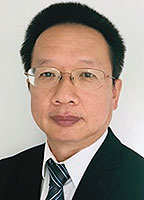
Weijia Zhang, PhD
Weijia Zhang, PhD, is a bioinformatician trained in both cell biology and computer science and has extensive experience in genomic analysis. His current research focuses on development and implementation of bioinformatics tools/pipelines in high throughput genomic analysis of research and clinical specimens.
Our Collaborations
The TANGO Study, a consortium to study glomerular disease recurrence post-transplant.
The LICUID Consortium, an international biorepository for studies to develop noninvasive biomarkers of acute rejection in transplantation and glomerular disease activity.